
Nobody plans for the phone call to come when a loved one is on vacation, but emergencies can happen anywhere in the world, including Croatia. And when it does, it can leave you confused, trying to understand a doctor in Zagreb or Split through a bad connection, in a language you don’t speak, about a person you love.
If that’s where you are right now, know there is a path through this, and families walk it more often than you’d think. This guide will walk you through who to call, what the U.S. Embassy in Croatia can and cannot do, and how the journey home actually comes together, because once you understand the pieces, the situation gets a little less frightening.
If you need help right now, you don’t have to read this first. Call us anytime, 24/7/365, at 1-800-524-7633 (U.S./Canada) or +1-715-479-8881 (International). We’ll listen, and we’ll help you figure out the next step.
Start With the Medical Emergency, Not the Embassy
This surprises people, but the embassy itself will tell you that if someone is in immediate medical danger in Croatia, call 112 first. Dialing 911 from a U.S. smartphone also works there, and many don’t know this. Croatia also has a dedicated ambulance line, 194, and English-speaking operators are generally available through 112.
The embassy’s role begins after the sirens. Once your loved one is at a hospital, that’s when the U.S. Embassy in Zagreb becomes part of your story.
What the Embassy Can Actually Do for Your Family
Consular officers are kind, capable people but their job is welfare and coordination, not medicine. Once a case is opened, they can:
- Check on your loved one’s welfare and, with their consent, keep family back home informed
- Help you make sense of an unfamiliar medical system when everything feels confusing
- Replace a lost passport quickly, or help a companion get travel documents on short notice
- Help notify family members and coordinate with local authorities when the situation calls for it
- In limited cases, connect families with emergency financial assistance programs
What they cannot do is arrange medical care, staff, or pay for a medical flight home. Calling them opens a welfare case only.
The Calls That Actually Get Someone Home
When a U.S. citizen is in crisis in Croatia, these are the numbers that matter:
- Medical emergency in Croatia: 112 (or 194 for an ambulance directly)
- U.S. Embassy in Zagreb: +385-1-661-2300 during business hours (8:00 a.m. to 4:30 p.m., closed on American and Croatian holidays), or +385-1-661-2200 after hours
- State Department’s Office of Overseas Citizens Services (from the U.S.): 1-888-407-4747 during business hours, 202-647-5225 after hours
In practice, families usually make three calls, in this order. 1. Emergency services at the scene, 2. the embassy to open a welfare case, and then – once the treating physician says your loved one is stable enough to be evaluated for travel – 3. a medical transport provider to plan the flight home.
When the Emergency Happens on an Island or the Coast
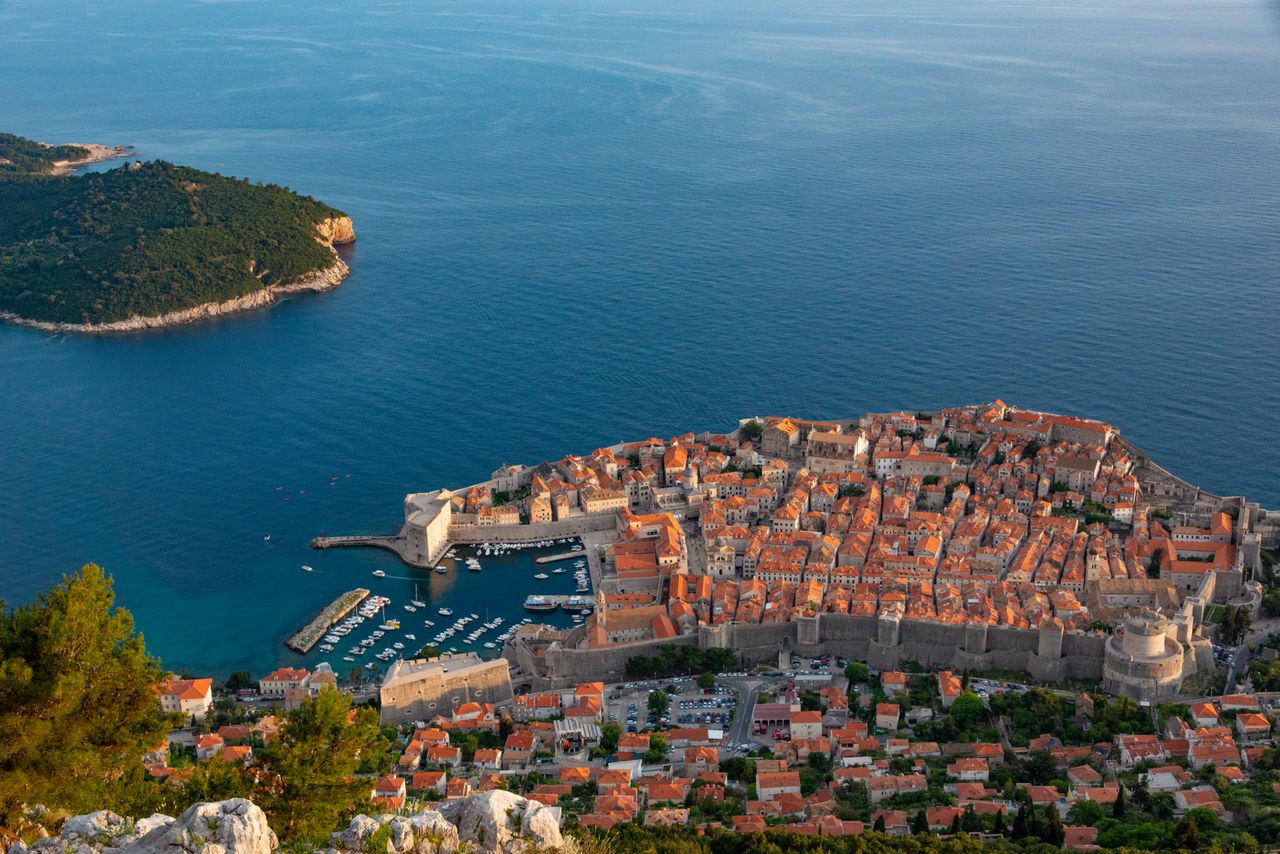
Croatia’s beauty is exactly what makes some emergencies harder. Many of the calls we hear about didn’t happen in Zagreb – they happened on Hvar, or Korčula, or along the winding coastal roads near Dubrovnik, or on a mountain trail inland.
Croatia’s emergency system is built for this. The 112 network coordinates mountain rescue and helicopter transfers, and during the busy summer season, helicopter medical teams help move patients between islands, coastal hospitals, and larger facilities. So if your loved one was hurt somewhere remote, the first leg of their journey – island to Split, or coast to Zagreb – may already be underway before you’ve even processed what’s happening.
The journey home almost always continues through Zagreb, where international medical flights are staged. That means the full plan is really two journeys. The local one to the capital, and the long one across the Atlantic. They should be planned as one continuous trip, with the same standard of care from the hospital bed in Croatia to the hospital bed back home. That’s how we’ve run missions to and from Croatian airports for more than four decades, and our where we fly directory shows the U.S. destinations we serve on the other end.
Why “Can They Fly?” Isn’t the Embassy’s Question to Answer
Whether your loved one can fly, and how, belongs to their treating physician and to the medical director of the transport team, who will review records and talk doctor-to-doctor before anyone commits to a plan.
Sometimes the answer is a dedicated air ambulance with a full medical crew. Sometimes it’s a commercial flight with a medical escort at their side. If you’re trying to understand how that decision gets made, our guides on ground transport vs. air ambulance and how air medical transport works explain it step by step in plain terms. You can also read more about how U.S. embassies fit into the air ambulance process.
What to Gather Before You Call
When you’re scared, it’s hard to think in lists. Having these details ready makes every call – embassy, hospital, transport team – go faster:
- Your loved one’s full name, date of birth, and passport number
- The hospital’s name and city, and a contact for the treating physician if you have one
- A plain description of what’s happened and how stable they are right now – even “we don’t know yet” is okay
- Names and numbers of family members who should be kept updated
- Any travel insurance or medical evacuation coverage details, if a policy exists
You don’t need all of it to start. You just need to start.
You Don’t Have to Carry This Alone

If you’re reading this in a hospital corridor in Split, or from your couch in Ohio while someone you love is a world away, we understand what this moment feels like. Families have trusted us with it since 1980, and we treat every call the way we’d want someone to treat ours, with honesty, patience, and a real plan.
Call us anytime, 24/7/365: U.S./Canada 1-800-524-7633, or International +1-715-479-8881, or contact us online for a free consultation and quote. And if it helps to see how other families got through the same frightening week, read their mission stories.
Frequently Asked Questions
Does the U.S. Embassy in Croatia arrange air ambulance transport?
No. They’ll support your family with welfare checks, communication, and documents. The flight itself is arranged privately, usually with support from travel insurance or a medical evacuation policy.
What number do I call for a medical emergency in Croatia?
Call 112 for any emergency – 911 works from U.S. smartphones too – or 194 for an ambulance directly. For the embassy about a citizen in crisis, call +385-1-661-2300 during business hours or +385-1-661-2200 after hours.
Can the embassy help pay for the flight home?
Only in narrow circumstances, such as truly destitute travelers. For most families, the cost of medical transport is handled through insurance, an assistance company, or privately. It’s one of the hardest parts of an already hard week, which is why we always give families a clear, complete quote upfront.
What if the emergency happened on an island or somewhere remote?
This is common, and it’s manageable. Croatia’s 112 system coordinates rescue and helicopter transfers, and patients are typically brought to a coastal city or to Zagreb first. From there, an international transport team plans the domestic leg and the flight home as one seamless mission.
How long does it take to arrange an air ambulance from Croatia to the U.S.?
Most international repatriations come together in 24 to 72 hours once the patient is stable, depending on the medical review, flight clearances, and the receiving hospital. Call early – even before you have all the answers. The earlier we know, the more we can do.