
If you are comparing fixed wing vs rotary wing, the simplest way to think about it is this: fixed-wing aircraft are designed to move forward efficiently on wings, while rotary-wing aircraft are designed around rotating blades that can lift vertically and hover. In FAA language, landplanes, seaplanes, and amphibians are fixed-wing aircraft that generate lift through forward motion, while rotorcraft generate lift through an engine-driven rotor and include helicopters, gyroplanes, and tiltrotors. NASA describes the same basic split by explaining that airplane lift comes from wings and helicopter lift comes from rotor blades.
That difference shapes almost everything else, including speed, range, runway needs, pilot training, and the kind of mission each aircraft is best suited to perform. Once you understand the trade-off between forward efficiency and vertical access, the comparison gets much easier.
Quick comparison at a glance
This table is a practical summary of the FAA and NASA descriptions of lift, aircraft categories, and mission fit. For air medical transport, the FAA and GAO both show that the aircraft choice often depends on distance and access, not just the aircraft type itself.
What fixed-wing aircraft are
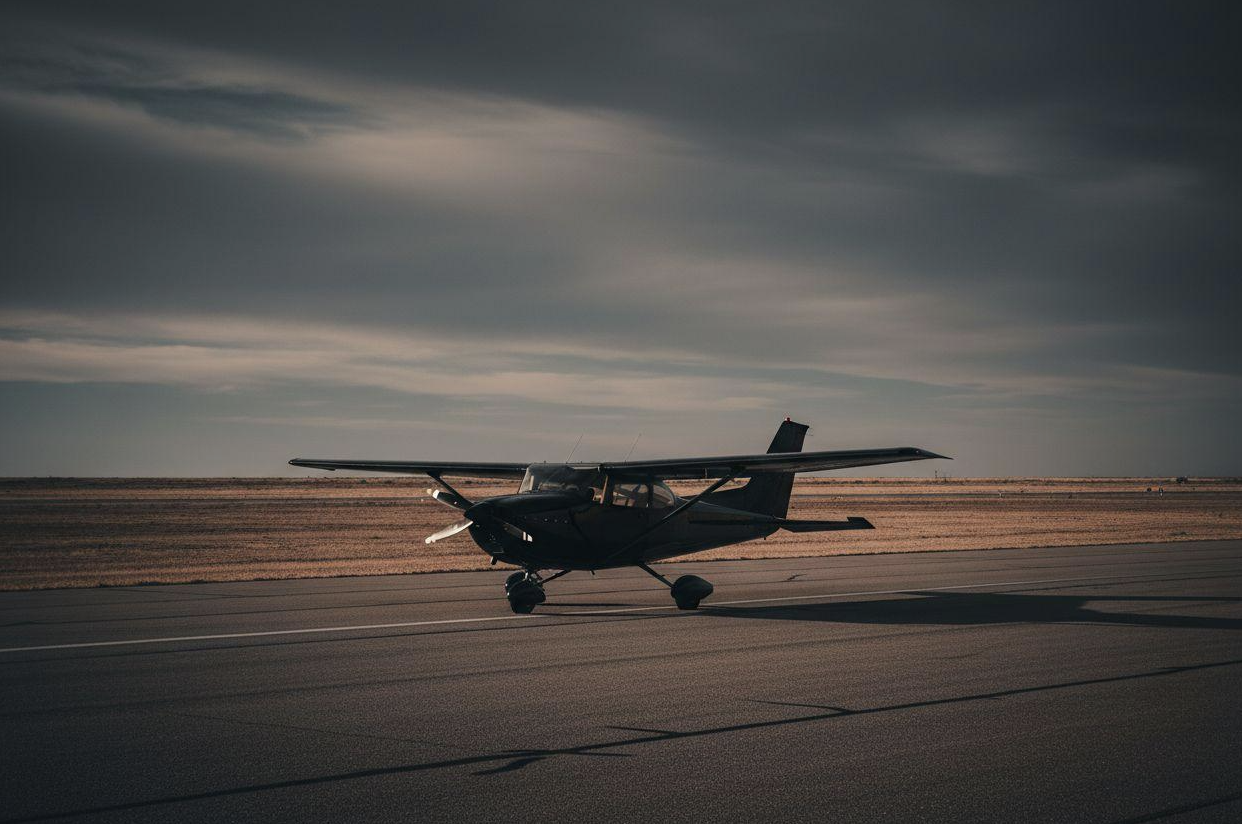
Fixed-wing aircraft use wings that stay fixed to the fuselage, and those wings create lift as the aircraft moves forward through the air. FAA aircraft characteristics describe landplanes, seaplanes, and amphibians as fixed-wing aircraft, and NASA explains that airplane lift comes from the wings. Common examples include airliners, business jets, turboprops, gliders, and many private aircraft.
In practical terms, fixed-wing aircraft are strong when the mission involves efficient cruise, predictable routing, and longer distances between takeoff and landing points. They still need room to operate, whether that is a runway, a prepared strip, or water in the case of seaplanes.
What rotary-wing aircraft are
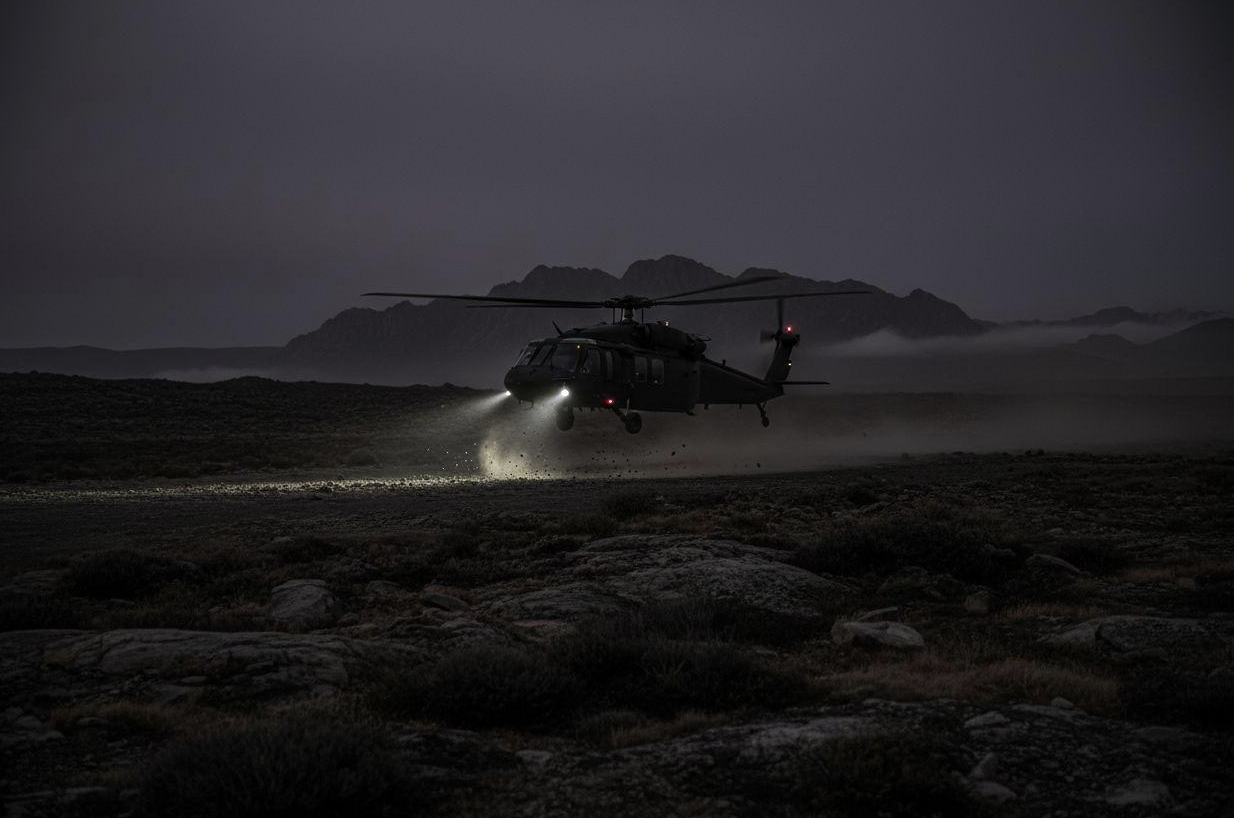
Rotary-wing aircraft, also called rotorcraft, generate lift through rotating blades. The FAA says rotorcraft enable vertical takeoff, landing, and hovering, and that the category includes helicopters, gyroplanes, and tiltrotors. That is the key reason rotary-wing aircraft can work where a runway would be impractical or impossible.
This makes rotary-wing aircraft especially useful for rooftops, mountain clearings, offshore platforms, and emergency scenes where getting close to the destination matters more than cruising efficiently over long distances.
Fixed wing vs rotary wing: the key differences
Lift and airspeed
A fixed-wing aircraft needs forward motion across its wings to generate lift, which is why speed through the air is part of the equation. A rotary-wing aircraft creates lift through its spinning rotor system, which lets it stay aloft even at very low forward speed and, in a helicopter’s case, hover in place. NASA’s explanation of lift makes the physics easy to see, while the FAA’s definitions show how the two categories are built around different ways of producing that lift.
Speed and range
As a rule of thumb, fixed-wing aircraft are the better long-distance tool. GAO notes that fixed-wing air ambulances are generally used for longer-distance hospital-to-hospital transports, while helicopters are generally used for scene response and shorter-distance transports. That same pattern holds up in many other missions because fixed-wing aircraft are built for efficient cruise, while rotorcraft devote a large share of their power to lift and hover.
Takeoff, landing, and access
This is the area where rotary-wing aircraft clearly stand out. FAA guidance says rotorcraft can take off, land, and hover vertically, while fixed-wing aircraft are defined by lift through forward motion and therefore need more room to launch and recover. If the mission has a runway, fixed wing is often the cleaner choice. If the mission has no runway, rotary wing usually wins.
Maneuverability
Rotary-wing aircraft are far more flexible in tight spaces because they can stop, turn, descend, and reposition without a runway. That is why helicopter missions often focus on places where access is limited or terrain is difficult. Fixed-wing aircraft are maneuverable in the air, but they are not built for the same low-speed, close-in access.
Stability and pilot workload
The FAA’s helicopter handbook is organized around flight controls, systems, performance, emergencies, night operations, and aeronautical decision-making, while the airplane handbook focuses on ground operations, maneuvers, takeoffs, landings, and emergency procedures. That structure reflects the fact that the two categories demand different piloting skills and different kinds of workload. Rotorcraft training also gives special attention to autorotation, which is a helicopter-specific emergency skill.
Efficiency and payload over distance
When you need to move people or cargo farther, fixed-wing aircraft usually offer better trip efficiency. When you need to deliver a person, package, or crew into a tight location, rotary-wing aircraft often offer better mission efficiency even if they are less efficient in the cruise phase. That is why the right aircraft depends so heavily on the route, the destination, and the environment around the destination.
Pros and cons of fixed wing
Pros
- Usually faster in cruise and better suited to long-distance travel.
- Often a better fit for scheduled passenger travel and longer cargo routes.
- Generally more efficient when the mission gives you a runway and time to plan the trip.
Cons
- Needs more infrastructure than a helicopter, including a runway or other landing area.
- Cannot hover or land vertically.
- Less useful when the destination is a rooftop, a remote site, or a confined clearing.
Pros and cons of rotary wing
Pros
- Can take off and land vertically and can hover in place.
- Better for access to tight, remote, or difficult landing sites.
- Useful for missions that need quick pickup or drop-off close to the scene.
Cons
- Usually slower and less efficient for longer-distance travel.
- Rotorcraft operations require specialized training and procedures, including autorotation training.
- More operational complexity can mean more planning, maintenance, and dispatch overhead. That is an inference from the FAA’s separate rotorcraft discipline and training framework, not a published price comparison.
Where each one fits best
For families and providers comparing patient movement, the aircraft choice is only one part of the plan. It also helps to compare ground transport vs. air ambulance, understand what to expect when arranging an air ambulance, and review how much an air ambulance costs before deciding. GAO notes that air ambulance providers use both helicopters and fixed-wing aircraft depending on how far they are transporting patients, with helicopters generally used for scene calls and shorter transports, and fixed-wing aircraft generally used for longer-distance transfers between hospitals.
Cost, maintenance, and ownership realities
Cost is never just the purchase price. Fuel, maintenance, training, hangar space, insurance, crew requirements, and mission downtime all affect the real bill. The FAA treats rotorcraft as a distinct technical discipline covering aerodynamics, flight mechanics, structural design, avionics, operations, maintenance, and safety, and it publishes separate rotorcraft guidance, helicopter handbooks, and autorotation training material. That does not give you a dollar figure, but it does show why rotary-wing operations usually carry more specialized overhead than a straightforward fixed-wing operation.
If you are budgeting for patient transport, the cost issue matters even more. GAO has noted that air ambulance services can expose patients to high charges, especially when insurance and network status are involved. In other words, the best aircraft for the mission is not always the cheapest aircraft to operate or the cheapest service to receive.
Safety, training, and licensing
FAA rules for getting a pilot certificate differ depending on the type of aircraft you fly, and the agency maintains separate handbooks and practical test standards for airplane and rotorcraft categories. That is a strong sign that fixed-wing and rotary-wing flying are related, but not interchangeable, skill sets.
In airplane training, pilots spend a lot of time on takeoffs, landings, emergency approaches, and best glide speed. In helicopter training, the FAA places special emphasis on flight controls, performance, emergencies, and autorotation training. The two categories train for different failure modes, different handling characteristics, and different landing options.
That does not mean one category is automatically safer than the other. It means the risk profile is different, and good outcomes depend on matching the aircraft to the mission and the pilot to the aircraft.
Modern hybrids and edge cases
Not every aircraft fits neatly into one box. FAA aircraft characteristics describe tilt-rotor aircraft as powered fixed-wing aircraft that use a tilting rotor to generate lift for forward and vertical flight, and the FAA’s rotorcraft discipline also includes tiltrotors. NASA’s tiltwing research describes aircraft that can take off, hover, and land like a helicopter, or fly like a fixed-wing airplane. These hybrid designs blur the line between fixed wing vs rotary wing and are part of the broader advanced air mobility conversation.
FAQ
Is a helicopter fixed wing or rotary wing?
A helicopter is rotary wing. The FAA defines rotorcraft as aircraft that generate lift through rotating blades, and helicopters are the most common type.
Are airplanes fixed wing?
Yes. Airplanes are the classic example of fixed-wing aircraft, and FAA materials group landplanes, seaplanes, and amphibians under the fixed-wing umbrella.
Which is faster, fixed wing or rotary wing?
Fixed wing is usually faster, especially over longer distances. GAO’s air ambulance analysis reflects that pattern by describing fixed-wing aircraft as the option for longer-distance transports.
Which is better for short-distance access or tight landing sites?
Rotary wing is usually better. FAA guidance says rotorcraft can hover and take off and land vertically, which gives them a major advantage in confined areas.
What is the biggest practical difference between fixed wing vs rotary wing?
The biggest difference is the mission each aircraft is built to solve. Fixed wing is better for efficient forward flight and distance, while rotary wing is better for vertical access, hovering, and landing where runway space is limited.
The short version is simple: choose fixed wing when speed, range, and efficient cruise matter most, and choose rotary wing when access, hovering, and landing flexibility matter most. If you need both, hybrid designs like tiltrotors and tiltwings show that aviation is already moving toward aircraft that can bridge the gap.
Ready to Bring Your Loved One Home?
Whether the right aircraft for your situation is a fixed-wing jet or a rotor-wing helicopter, the most important decision is not the aircraft type — it is who is coordinating the care on board and managing every transition from bedside to bedside.
Travel Care Air has been arranging medically supervised air transport since 1980, across six continents, for patients with every level of clinical complexity. Our coordination team evaluates each case individually, matches the right aircraft and crew to the patient’s specific needs, and manages every step of the journey so families don’t have to navigate it alone.
If your loved one needs to be moved — whether across the state or across the Pacific — we are available 24 hours a day, 7 days a week, 365 days a year. You don’t need to have all the answers before you call. That is exactly what we are here for.
Contact Travel Care Air for a free consultation and flight quote. We’ll walk you through your options, give you an honest timeline, and provide upfront pricing with no hidden fees — just like we’ve done for thousands of families since 1980.
U.S./Canada: 1-800-524-7633International: +1-715-479-8881
You can also read more about how our air ambulance transfers work, explore where we fly. to see how we’ve helped families in situations like yours.