
Last Updated: November 15, 2026
Quick Summary
To prepare home discharge, read the discharge paperwork line by line, then arrange who will help with daily care before arrival. Next, make your home safe room by room, reconcile the medication list, and plan the first week.
- Read the discharge paperwork for medications, activity limits, follow-up dates and warning signs.
- Match each daily care need to a specific person before the first day home.
- Remove trip hazards and install grab bars near the toilet and shower.
- Compare the discharge papers, bottles at home and pharmacy record before the first dose.
Table of Contents
- Assess Care Needs and Set Up Support Before Arrival
- Hospital Discharge Checklist: Room-by-Room Home Safety
- Home Safety After Hospital Discharge: Equipment and Adaptive Aids
- Medication Routines and Emergency Warning Signs
- Planning Meals, Hydration and the First Week Timeline
- Budgeting for After-Surgery Home Care Costs
- Booking Your Home Preparation Support and Next Steps
- Frequently Asked Questions
Most families leave the hospital with a stack of papers and a head full of questions.
A 2026 study published in PMC examined a one-page Patient-Oriented Discharge Summary (PODS), designed to use patient-friendly language and structured sections to support discharge teaching and follow-up planning.
Read the discharge paperwork line by line. Look for these items:
- Medications, including new, changed, and stopped drugs
- Activity limits, such as lifting, stairs, or driving
- Wound care or equipment instructions
- Diet and fluid guidance
Ask the nurse or discharge planner to explain anything that is unclear. Write questions down before you leave the floor.
Assess Care Needs and Set Up Support Before Arrival
A review published in PMC looked at how older people experience the hospital-to-home transition, PMC 2026 and found that the move home is a hard stretch for many patients.
Make a simple list of needs:
- Help getting in and out of bed
- Help bathing, dressing, and using the toilet
- Someone to check medications
- Transportation to appointments
Then match each need to a person. Write names next to tasks.
Long hospital stays and unexpected surgeries often mean no family nearby. In that case, a care coordinator at the hospital can point you toward community resources.
Hospital Discharge Checklist: Room-by-Room Home Safety
A good hospital discharge checklist covers every room the patient will use, not just the bathroom. Walk through the home as if you were the patient, using a walker or wheelchair if one is needed, and mark each item as done, needed, or not applicable. The checklist below is designed to be printed and carried room to room.
Entrances, Pathways and Trip Hazards
Start at the front door and work inward. Check these points:
- Remove loose rugs and cords from walkways
- Clear clutter from hallways and stairs
- Make sure the entrance has good lighting, including a motion-sensor light for nighttime
- Add a railing on both sides of steps if possible
Move frequently used items to waist-to-shoulder height. Reaching overhead or bending low can cause falls.
Bathroom and Bedroom Setup
Bathrooms carry the highest fall risk. Prepare them before arrival:
- Install grab bars near the toilet and inside the shower
- Place a non-slip mat inside and outside the tub
- Set up a shower chair or bath bench
- Keep toiletries and towels within easy reach
Bedrooms need the same care. Keep a clear path to the bed, put a phone or call button within reach, and store water and glasses on a nearby table. A bed rail or transfer handle can help if the patient needs to pull up to standing.
Kitchen, Stairs and Living Areas
The kitchen and living areas are where many families forget to look. Check these:
- Keep a clear path to the sink, stove, and refrigerator
- Move heavy items to counter height so they are not lifted from low cabinets
- Store a fire extinguisher within reach and check that smoke alarms work
- If stairs are used, confirm a secure handrail on at least one side and good lighting at the top and bottom
- Remove small decorative tables and floor plants from the main walking path
Tailor the Checklist to the Diagnosis or Mobility Level
The same checklist does not fit every discharge. Use these adjustments as a starting point:
- After hip or knee surgery: prioritize a raised toilet seat, shower chair, and clear path on one level; avoid stairs until cleared.
- After a stroke: focus on one-handed reach, remove loose rugs, and keep frequently used items on the unaffected side.
- After a fall: check lighting, handrails, and floor surfaces first, and consider a medical alert device.
- After a cardiac event: keep the recovery area on the main floor and avoid stairs until the care team approves.
Watch out: a home that looks safe in daylight can hide hazards at night, so repeat the walk-through after dark with the lights the patient will actually use.
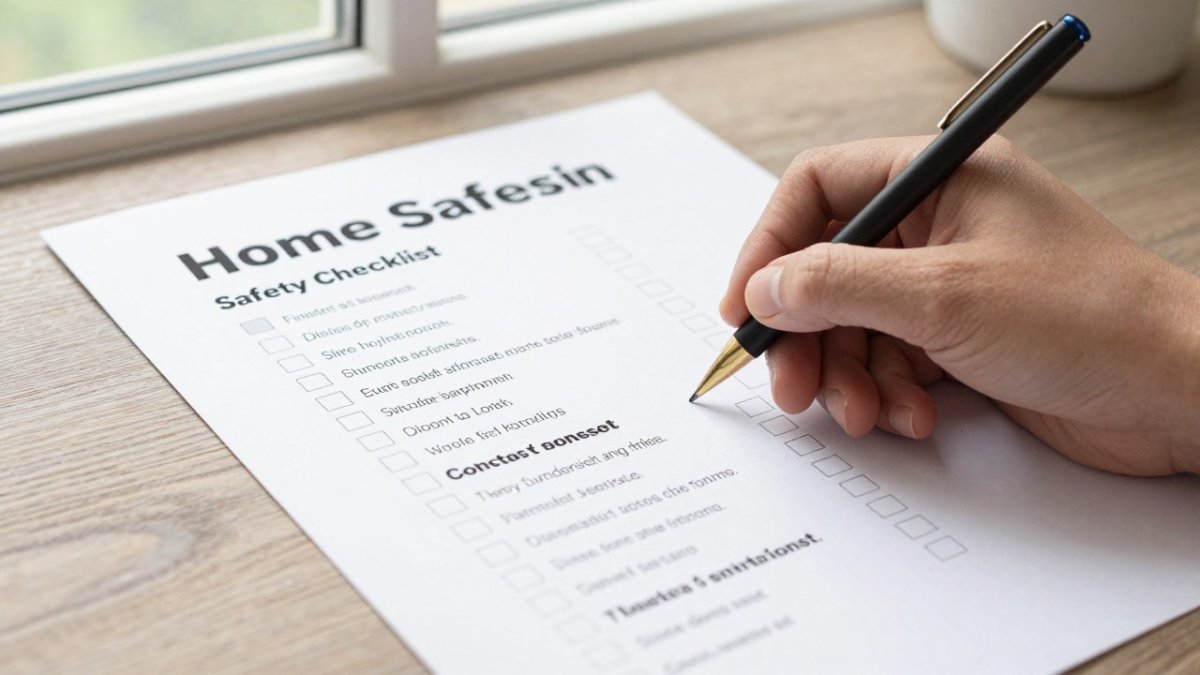
The table below summarises the key safety adjustments to make in each part of the home, drawn from the room-by-room guidance.
| Area | What to do | Note |
|---|---|---|
| Entrances and pathways | Remove loose rugs and cords | Trip hazards on walkways |
| Entrances and pathways | Add a railing on both sides of steps | Only if possible |
| Bathroom | Install grab bars near toilet and shower | Highest fall-risk room |
| Bathroom | Place a non-slip mat inside and outside the tub | Prevents slipping |
| Bedroom | Place a phone or call button within reach | Keep a clear path to the bed |
| Kitchen and stairs | Store a fire extinguisher within reach | Check smoke alarms work |
| Hip or knee surgery | Use a raised toilet seat and shower chair | Avoid stairs until cleared |
Home Safety After Hospital Discharge: Equipment and Adaptive Aids
Some patients need equipment that is not in the home. Ask the discharge team which items are recommended. Common options include:
- Walker or rolling walker
- Raised toilet seat or commode
- Shower chair and handheld shower head
- Bed rail or transfer handle
- Hospital bed, for patients who cannot climb stairs
Find out what your insurance covers before buying. Coverage for equipment varies by plan and jurisdiction, and rental can be an option for short-term needs. Confirm the details with your provider.
Set up a comfortable recovery area on the main floor if the bedroom is upstairs. Keep natural light and fresh air available, and place the most-used items within arm’s reach.
Medication Routines and Emergency Warning Signs
Medication mistakes are common after discharge, especially when new drugs are added and old ones are stopped. A simple reconciliation process before the first dose prevents most problems.
Reconcile the Medication List
Before the patient takes anything at home, compare three lists side by side: the discharge paperwork, the bottles in the home, and the pharmacy record. Then:
- Write one master list with drug name, dose, time, and purpose
- Mark new, changed, and stopped drugs clearly
- Remove stopped drugs from the daily pill organizer so they are not taken by habit
- Include over-the-counter products, vitamins, and supplements, since they can interact with prescriptions
- Ask the pharmacist to review the list if anything is unclear
Watch out: duplicate doses often happen when a brand name and a generic name for the same drug are both on the list, so check the active ingredient, not just the label.
Set Up a Safe Routine
- Fill every prescription before arrival
- Use a weekly pill organizer and refill it on the same day each week
- Write the schedule on the fridge or a calendar
- Keep an updated list of all medicines in one visible place
- Store medicines out of reach of children and away from heat and moisture
Assign one person to manage refills and another to check the organizer, so a missed dose is caught early.
Know the Warning Signs
Call the doctor or emergency services right away if the patient has:
- Trouble breathing or chest pain
- Fever above the level listed on the discharge papers
- Bleeding that will not stop
- Confusion or sudden weakness
- A fall, especially if the patient hit their head
Plan for After-Hours Questions and Emergencies
Post these numbers near the phone and in a shared phone note:
- The hospital discharge line or nurse line
- The primary care doctor and pharmacy
- The specialist or surgeon on call
- Local emergency services
Decide in advance who will call, who will stay with the patient, and which hospital to use. Keep a copy of the discharge papers and medication list in a bag that goes to every appointment. If symptoms feel life-threatening, call emergency services first rather than waiting for a callback.
Planning Meals, Hydration and the First Week Timeline
Stock the kitchen before discharge day. Prepare or buy simple meals that need little cooking. Frozen meals, soups, and easy-to-open containers help when energy is low. Keep water and drinks at the bedside.
Build a rough timeline for the first week:
- Day 1: Medications, meals, and rest. Limit visitors.
- Days 2-3: Begin gentle movement as directed. Track fluid intake.
- Days 4-5: Check wounds and report any changes. Confirm appointments.
- Days 6-7: Review progress with the care team and adjust help as needed.
Assign one family member to be the main contact for the care team. This avoids confusion and missed messages.
If the patient needs non-emergency transport for the trip home or a planned follow-up, planned transport is an option to look into. Once transport is arranged, planning for the first days at home can help make the transition smoother, and Hauora Medical Travel can support thinking through recovery after surgery.
Budgeting for After-Surgery Home Care Costs
Home care costs add up. Costs depend on the type of care, your location, and your insurance, so check with your providers for current figures.
Common expenses include:
- Medical equipment, rented or purchased
- Home health aide or nursing visits
- Prescription copays
- Transportation to appointments
- Modifications such as ramps or bathroom changes
Travel insurance sometimes covers medical evacuation and transport, but policies differ on what they pay for. travel medical and evacuation coverage guidance, Travel Insurance Review explains common exclusions.
Ask your hospital’s financial counselor about assistance programs. Many hospitals have staff who help families find funding and set up payment plans.
Booking Your Home Preparation Support and Next Steps
You now have a plan: review the discharge instructions, arrange help, prepare each room, set up medications, and plan the first week. If you are still deciding how to get your loved one home, how to arrange an air ambulance walks through booking step by step, and what to expect when arranging an air ambulance for a loved one covers costs, logistics, and coordination.
If your loved one needs planned transport home, our team can help coordinate the journey. Our flight nurse medical escorts and commercial stretcher services are tailored to each patient’s situation. We have over 45 years of experience in medical flight transport.
Get your loved one home safely with Travel Care Air, where planned transport meets compassionate medical support.
Frequently Asked Questions
How do you prepare your home for someone coming home from the hospital?
Start by clearing walking paths, removing loose rugs and cords, and making sure the entrance is step-free or has a secure ramp. Set up a recovery area on the main floor near a bathroom so the patient does not need stairs in the first days. Stock essentials such as toiletries, a phone within reach, and simple meals that need little preparation. Confirm the discharge instructions, medication list and follow-up appointments before arrival. Families should review their plan with the hospital care team. If the trip home needs medical support, you can request a quote for medical transport.
What should be included in a hospital discharge checklist?
A useful hospital discharge checklist covers the written discharge instructions, the full medication list with dosages and timings, follow-up appointment dates, wound or equipment care instructions, and emergency warning signs that require a call to the care team. It should also list who will provide support at home and the transport arrangements for the trip home. Ask the care team to explain anything unclear before you leave the hospital, and keep the checklist somewhere everyone in the household can see it.
What if you have no one to help at home after surgery?
If no family member is available, start by asking the hospital discharge planner about home care referrals, community services and short-term help options. Friends, neighbours or faith groups can often assist with meals, shopping or rides. Arrange groceries and prepared meals before discharge so basic needs are covered. Costs and coverage vary by country and insurance plan, so confirm details with the hospital and your insurer. If you are travelling far from home and need medical transport, you can request a quote.
How much does after-surgery home care cost?
Costs for after-surgery home care depend on the type of help needed, how many hours are required, the length of care and your location. Coverage from insurance or public health systems also varies widely, so it is best to ask the hospital discharge team and your insurer which services are included. Confirm all costs directly with your provider before making decisions.
